
Menopause Skin Crawling: What’s Behind This Strange Sensation?
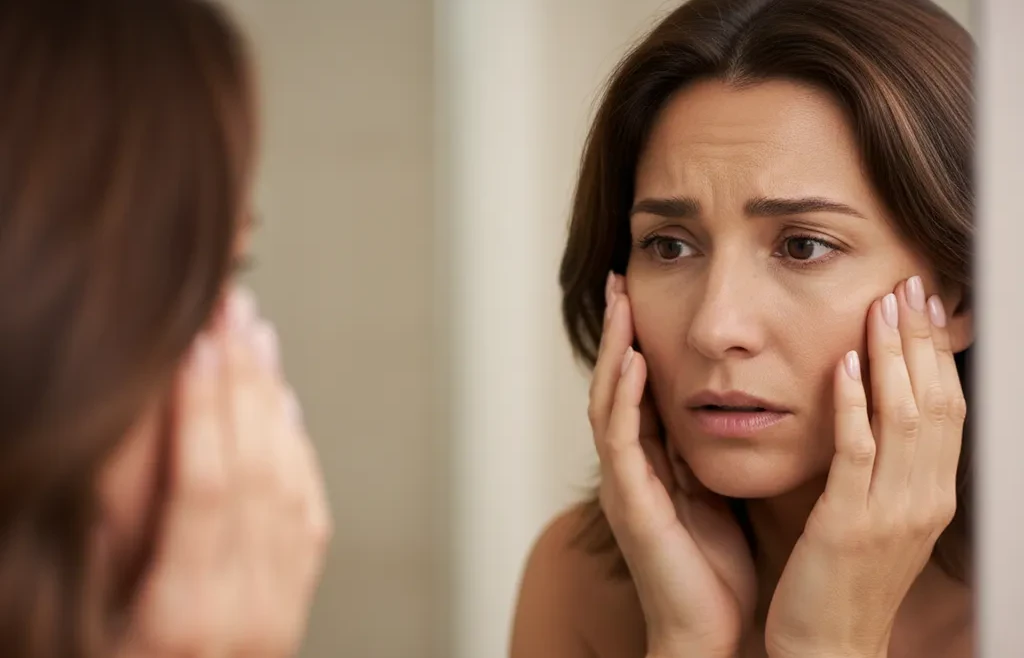
Many women experience a strange sensation during their transition into midlife. It feels like tiny insects are walking across their arms or face. This phantom sensation is known medically as formication. It is a specific type of paresthesia. While it feels very real, there are no actual bugs present. This experience is a common yet startling sign of perimenopause and menopause.
Why Does Menopause Skin Crawling Happen?
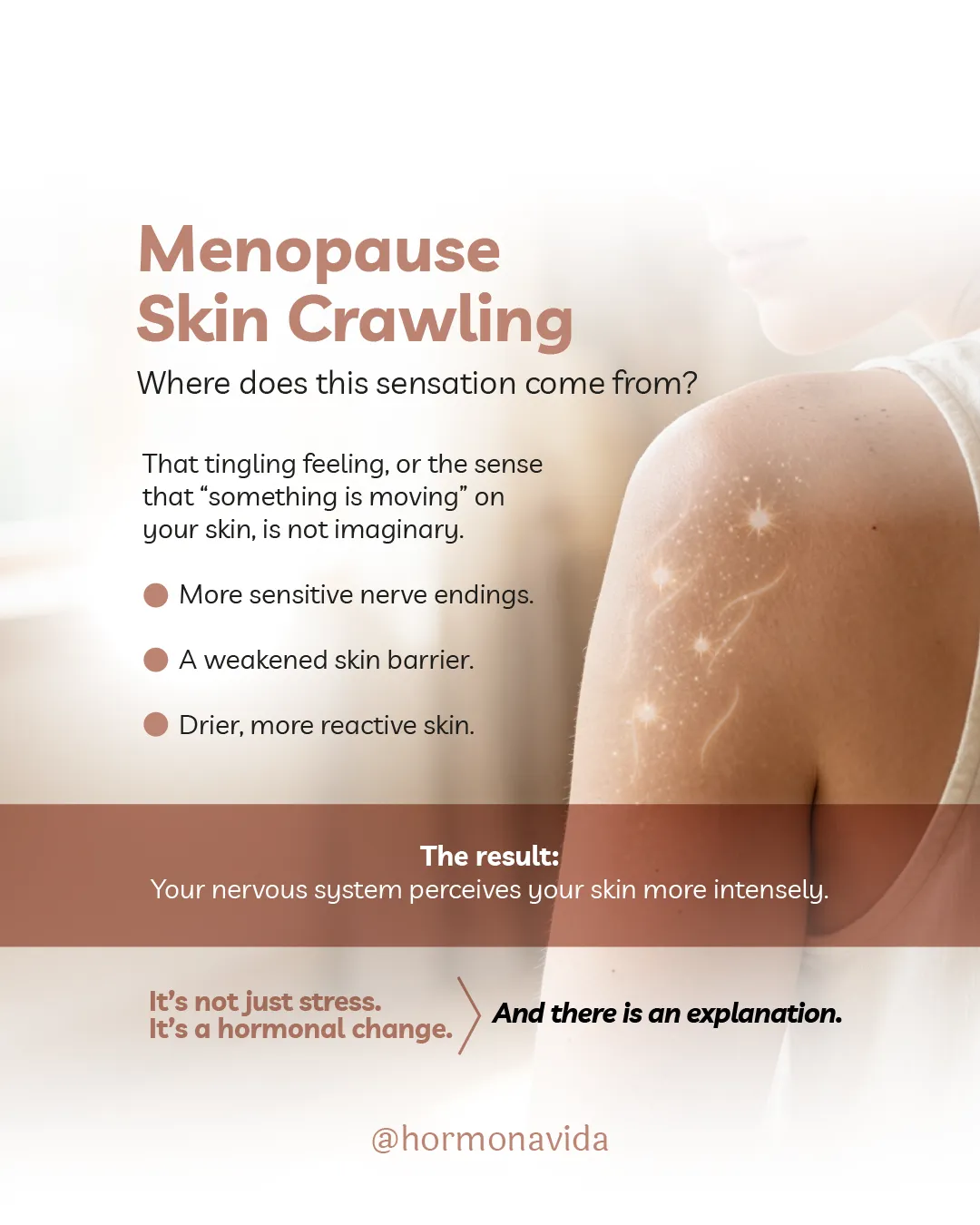
The primary cause of this sensation is related to hormone fluctuations in the body during this transitional phase. Estrogen plays a vital role in maintaining skin health. It helps produce collagen and natural oils. When levels drop, the skin begins to change rapidly. These changes affect how the nerves in your skin send signals to your brain.
The Role of Estrogen and Collagen
As estrogen decreases, your body produces less collagen. Collagen provides structure and elasticity to your skin. Without enough of it, the skin becomes thinner and more sensitive. This thinning can lead to dry skin, which often feels tight. These physical changes can irritate the fine nerve endings. Your brain may interpret these signals as a crawling or tingling feeling.
Nerve Sensitivity and Dehydration
Lower hormone levels also impact the skin’s moisture barrier. Dehydration makes the skin much more reactive to the environment. Even a light breeze or a soft fabric can trigger a reaction. The nervous system becomes slightly more sensitive during this time. This heightened state contributes to the frequent itchy skin many women face daily.
Common Symptoms Accompanying the Crawling Sensation
Menopause skin crawling rarely happens in isolation. It is usually part of a broader set of changes. You might notice that your skin feels significantly more parched. Some women experience a “pins and needles” feeling in their limbs. Others find themselves scratching areas that look perfectly normal.
- Intense Itchiness: Often referred to as pruritus, this can occur anywhere on the body.
- Static Shock Feelings: Small, sudden zaps that feel like electricity.
- Increased Sensitivity: Your favorite skincare products might suddenly cause redness.
- Nighttime Aggravation: Many women notice these sensations more when trying to sleep.
How to Manage Skin Crawling Naturally
You do not have to suffer through these sensations without help. There are several ways to soothe your skin and nervous system. Focus on hydration and gentle care to see the best results.
Internal and External Hydration
Drinking plenty of water is essential for skin elasticity. It helps maintain the moisture levels from the inside out. Externally, you should use rich, fragrance-free moisturizers. Look for products containing ceramides or hyaluronic acid. Apply these immediately after showering to lock in moisture. This simple step can significantly reduce the feeling of crawling skin.
Lifestyle Adjustments
Certain habits can make the sensations worse. Hot showers can strip the skin of its natural oils. Try using lukewarm water instead. Wear breathable fabrics like cotton or silk. Avoid harsh detergents and scented body washes. Stress can also heighten nerve sensitivity. Incorporating relaxation techniques like yoga can be very beneficial.
When to Seek Professional Support
If these symptoms interfere with your sleep, it is time to talk to a professional. Persistent discomfort can impact your quality of life and mental health. A specialist can help determine if your symptoms are purely hormonal. Sometimes, hormone fluctuations require a more tailored approach to balance.
At Hormona Vida, we specialize in understanding these hormonal shifts. We look at the body as a whole system. Managing menopausal symptoms is about more than just treating one itch. It is about restoring your overall sense of well-being and comfort.
Frequently Asked Questions
Is skin crawling a permanent symptom of menopause?
No, it is usually temporary. Most women find that it subsides once their hormones stabilize. Proper skin care and hydration also help significantly.
Can anxiety make the crawling sensation worse?
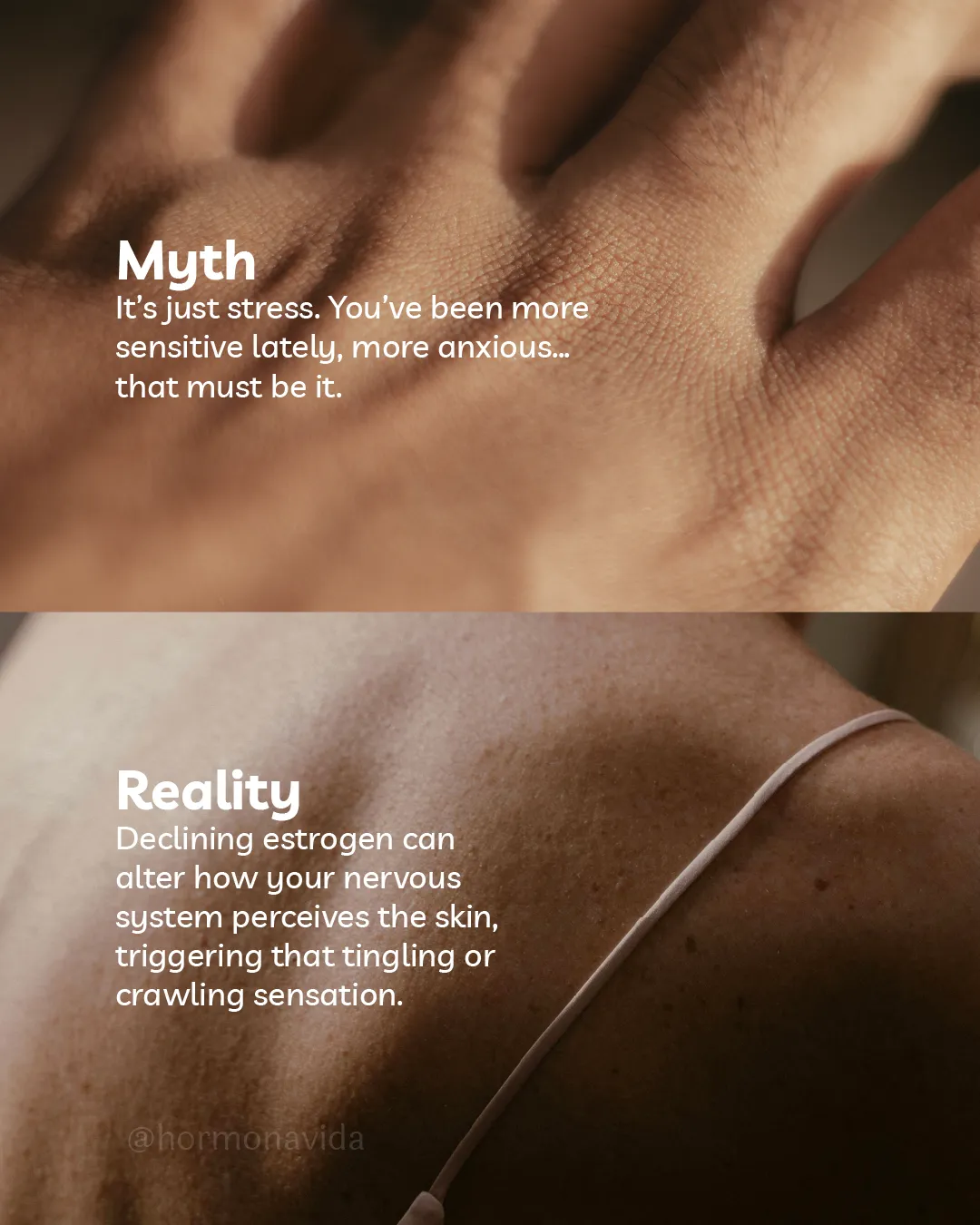
Yes, stress and anxiety can sensitize your nervous system. This can make the phantom crawling feel more intense or frequent.
Does diet affect menopause skin crawling?
A diet rich in Omega-3 fatty acids can help. Foods like walnuts and flaxseeds support skin health. They help maintain the lipid barrier of your skin.
Conclusion
Experiencing menopause skin crawling can be confusing and frustrating. However, it is a well-documented physiological response to shifting hormones. When estrogen levels drop, your skin and nerves must adapt to a new environment. By prioritizing hydration and gentle care, you can find relief.
Remember that this phase of life is a transition. You have the power to manage these symptoms with the right tools. At Hormona Vida, we are here to support your journey toward balance. Your comfort and health are our top priorities during this change.
References
- Gen-M. (2025). Itchy, crawly skin.
- Goldman Laboratories. (2024a). Best food supplements for skin.
- Goldman Laboratories. (2024b). Itchy skin during menopause.
- Huffington Post UK. (2023). Crawling, itchy skin is a sign of menopause.