
How do you balance your hormones
Hormones affect how you feel every day. They shape energy, mood, sleep, and metabolism. Hormones are chemicals. Your glands release hormones into your bloodstream to carry messages that guide body functions.
Because hormones shift, “off” can feel vague. You might notice fatigue, irritability, or weight gain. You might also notice night sweats or new sleep trouble. These can be signs of hormonal imbalance.
At Hormona Vida, we focus on practical steps first. We also personalize care when symptoms persist. That can include labs and guided treatment options.

Start with the basics that regulate hormones
Your daily inputs matter. Food, sleep, movement, and stress shape hormonal levels. These steps help your body regulate hormones more consistently.
Balance blood sugar with protein and fiber
Stable blood sugar supports steadier energy. It can also reduce cravings and crashes. Aim for protein at each meal. Add fiber from vegetables, beans, and berries.
Limit processed foods when you can. They often spike glucose and appetite. Build meals around whole foods you enjoy.
Choose healthy fats on purpose
Your body uses fat to build hormones. Prioritize healthy fats daily. Add olive oil, avocado, nuts, and seeds. Include fatty fish for omega-3 fatty acids.
These choices support inflammation balance. They also support metabolic health over time.
Move your body to improve hormone function
Exercise is not only for weight. It improves sleep, mood, and metabolism. It can also increase insulin sensitivity. That supports better glucose control.
Aim for exercising regularly most weeks. Mix strength training and walking. Add short bursts of cardio if tolerated. Keep it realistic and repeatable.
This supports maintaining a healthy routine long term. It also helps you feel more in control.
Lower stress levels to support estrogen and thyroid
Chronic stress changes cortisol signaling. That can disrupt sleep and appetite. It can also affect estrogen levels and cycle patterns.
Work on stress levels with small daily practices. Try slow breathing for two minutes. Take morning light outside when possible. Protect your bedtime routine.
Sleep matters for repair and balance. Light at night can disrupt sleep rhythms. It can affect hormone signaling.
Know when symptoms suggest a deeper issue
Some symptoms need a medical workup. Weight changes can have many causes. Hormones are one possibility. Thyroid conditions are common examples.
Thyroid hormones and metabolism
Thyroid hormones help set your metabolic pace. When they run low, fatigue and constipation can appear. When they run high, anxiety and palpitations can appear.
If symptoms persist, testing is reasonable. Your clinician may start with TSH and thyroid markers.
Polycystic ovary syndrome PCOS
Polycystic ovary syndrome pcos is a common hormone-related condition. It can cause irregular cycles and acne. It can also be linked with weight gain and insulin resistance.
PCOS care often includes lifestyle and metabolic support. Some people also need targeted medications. Personalization matters.
When lifestyle is not enough
Lifestyle can do a lot. But it is not always enough. If labs show low hormones, treatment may be appropriate. Treatment depends on the cause.
Hormone replacement therapy and menopause symptoms
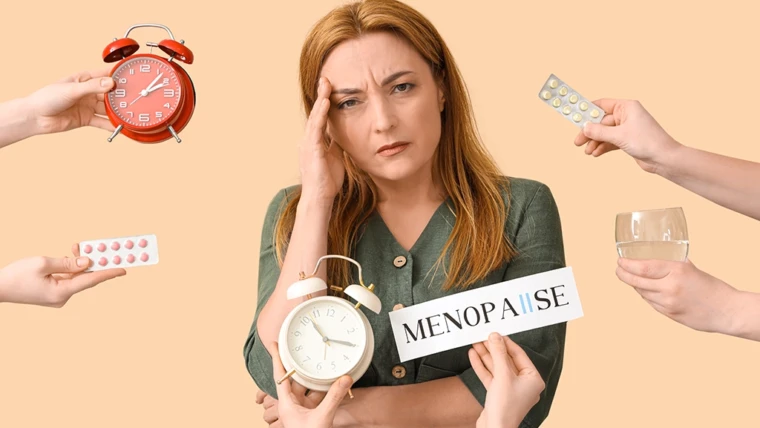
For menopause symptoms, hormone replacement therapy can help. It is used to replenish estrogen levels. It can reduce hot flashes and night sweats in many patients.
This decision should be individualized. Risks and benefits vary by person. Your history and goals matter.
At Hormona Vida, we support evidence-based options. We focus on symptom relief and long-term health. We also explain your lab results clearly.
Practical checklist to improve hormone balance
Use this as a simple weekly plan. Keep changes small and consistent. These steps can improve hormone function over time.
- Eat protein and fiber at breakfast.
- Add healthy fats to at least two meals.
- Limit processed foods most days.
- Walk after meals to support blood sugar.
- Strength train two days each week.
- Keep a steady bedtime and wake time.
- Practice stress relief for five minutes daily.

FAQs
How do I know if my hormones are off?
Look for pattern changes over weeks. Common clues include cycle shifts and mood changes. Weight changes can also be a clue.
What labs are most helpful?
It depends on symptoms and age. Many evaluations include thyroid testing and metabolic markers. Your clinician may add sex hormone labs.
Can food alone fix a hormonal imbalance?
Food helps many people feel better. But some conditions need medical treatment. PCOS and thyroid disorders are examples.
Conclusion
Balancing hormones is not a quick hack. It is a steady process of supporting your body daily. Start with sleep, food quality, and movement. Address stress and stabilize blood sugar.
If symptoms persist, consider testing and guidance. Hormona Vida can help you connect the dots. We focus on personalized plans and supportive care.
Sources
- Cleveland Clinic. (2022, April 4). Hormonal imbalance: Causes, symptoms & treatment.
- Cleveland Clinic. (2022). PCOS (polycystic ovary syndrome): Symptoms & treatment.
- Endocrine Society. (2022, January 24). Menopause treatment.
- Harper-Harrison, G. (2024). Hormone replacement therapy. StatPearls. NCBI Bookshelf.
- UCLA Health. (2024, July 3). 7 signs of a hormonal imbalance — and what to do about it.
- Healthline. (n.d.). 10 natural ways to balance your hormones.