

Menopause Hair Loss: Understanding Why It Happens and What Supports Hair Health
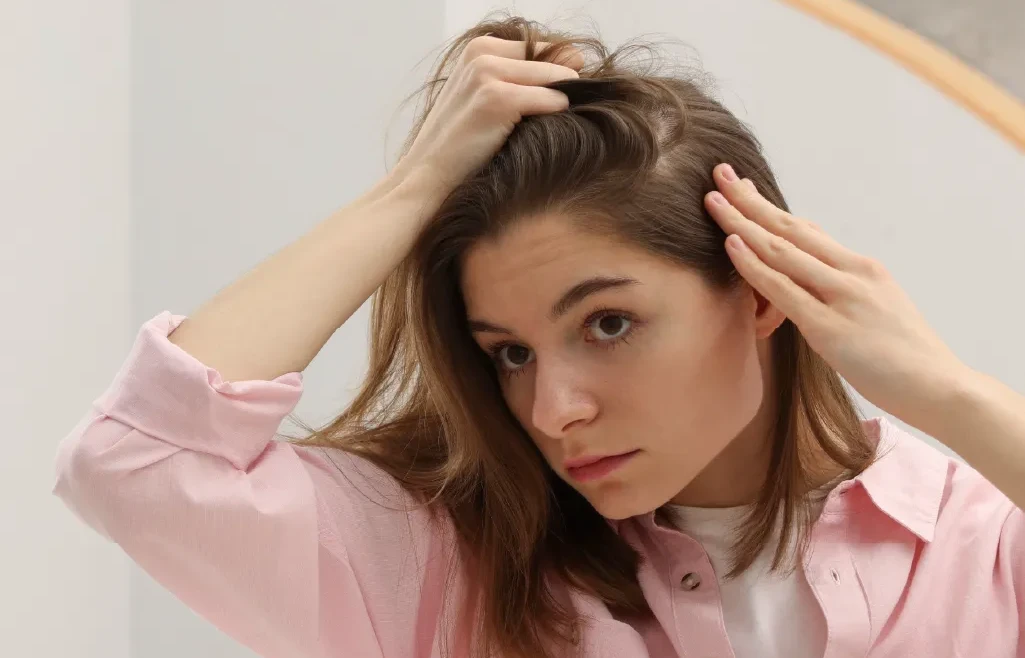
Many women notice changes in their hair during midlife. Hair may feel thinner, shed more easily, or lose volume. For some women, these changes appear during the menopausal transition.
Menopause hair loss can be surprising and emotionally difficult. Hair often plays a meaningful role in identity and confidence. However, these changes are not uncommon. They often reflect shifts in hormone levels that influence the hair growth cycle.
Understanding the biological factors behind hair thinning can help women approach this stage with clarity. It can also help guide thoughtful conversations with healthcare professionals about scalp health and hormonal changes.
Does Menopause Cause Hair Loss?
Yes, perimenopause and menopause can influence hair growth patterns. Many menopause women experience hair thinning or increased hair shedding during this stage of life.
Hormonal shifts play an important role. During the menopausal transition, the decline in estrogen and progesterone becomes more pronounced. These hormones help support several biological processes, including hair follicle function.
When estrogen levels decrease, the hair growth cycle can shorten. Hair follicles may spend less time in the active growth phase. As a result, some women notice increased hair shedding or reduced hair density.
The Hair Growth Cycle and Hormonal Changes
Hair growth follows a natural cycle with three phases. These phases include growth, transition, and shedding.
Hormones influence how long hair remains in each stage. Estrogen helps prolong the growth phase of the hair growth cycle. This allows hair strands to grow thicker and longer over time.
During menopause, lower estrogen levels may shorten this growth phase. Hair follicles may enter the resting stage earlier. When this occurs, shedding can become more noticeable.
At the same time, androgens male hormones may have a stronger relative influence. This shift can contribute to female pattern hair loss in some individuals. The hairline usually remains intact. However, hair may appear thinner around the crown.
Why Hair Thinning Happens During the Menopausal Transition
Several biological factors can contribute to loss during menopause. These factors often work together rather than occurring alone.
Hormonal shifts
The most common cause involves changes in hormone levels. The decline in estrogen and progesterone can influence hair follicles and scalp health.
Androgen sensitivity
Some hair follicles become more sensitive to androgens male hormones. This sensitivity can gradually shrink follicles and produce thinner strands.
Changes in blood flow to the scalp
Circulation also supports follicle health. Reduced blood flow to the scalp may affect how nutrients reach the hair root.
Stress and metabolic changes
The menopausal transition can also bring sleep changes and stress. These factors may influence the hair growth cycle and contribute to temporary shedding.
What Menopausal Hair Changes May Look Like
Hair changes during menopause often appear gradually. Many women experience increased hair shedding while brushing or washing their hair.
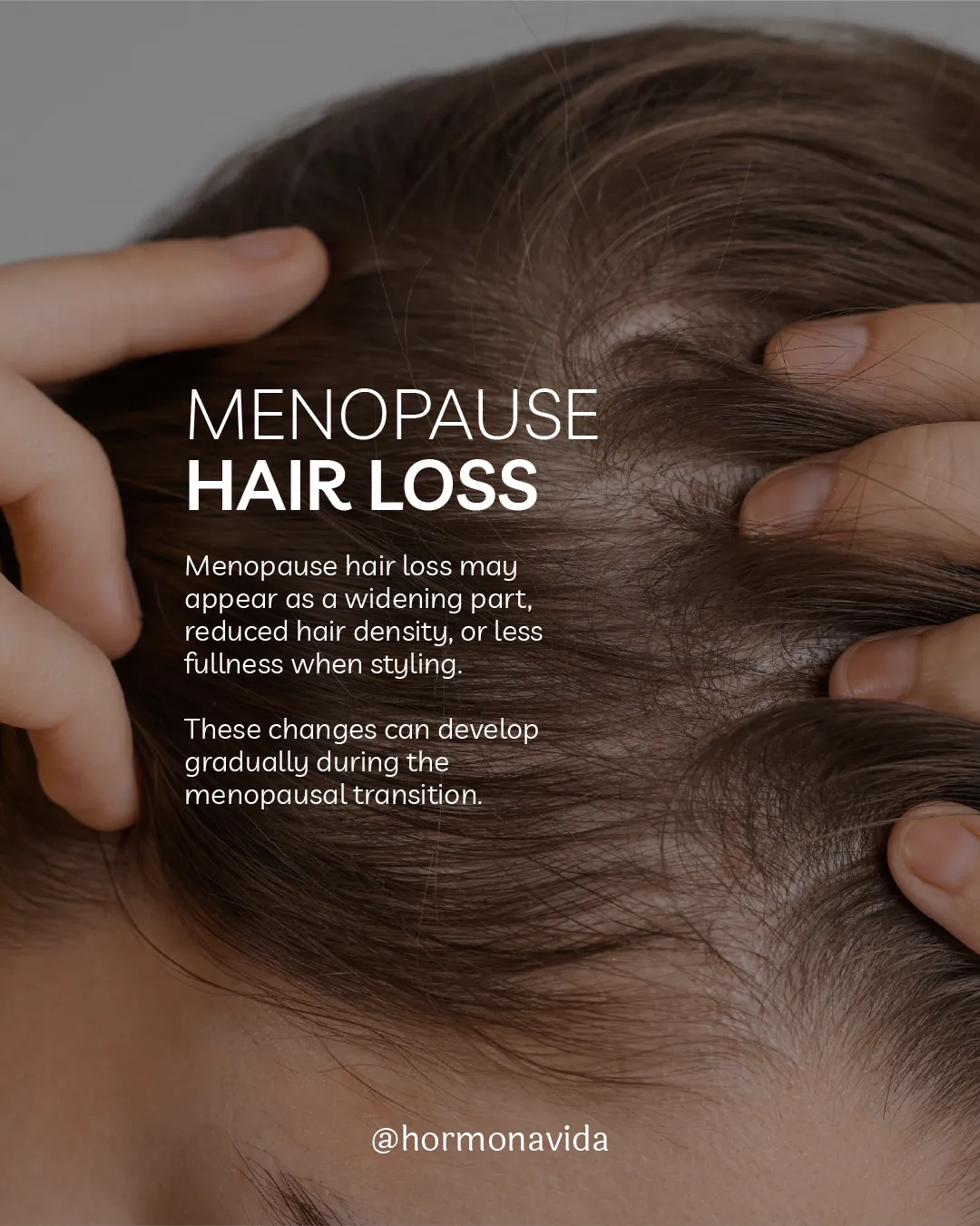
Others notice reduced volume or widening of the hair part. Rephrased text (in English): This pattern can sometimes be linked to female pattern hair loss.Hair texture may also change. Some women describe their menopausal hair as drier or more fragile. These changes reflect shifts in scalp oils and hormonal signaling.
Approaches That May Support Hair and Scalp Health
Hair changes during menopause can have multiple contributing factors. For that reason, evaluation and care often focus on overall scalp health and hormonal context.
Supporting scalp health
Healthy hair growth begins with the scalp environment. Gentle hair care routines can help protect hair follicles. Avoiding harsh chemical treatments may also reduce breakage.
Addressing circulation
Maintaining healthy blood flow to the scalp can support follicle activity. Regular physical activity supports circulation throughout the body.
Medical treatments
In some cases, dermatologists may discuss treatments such as topical or oral minoxidil. These medications may support hair density in women with female pattern hair loss.
Hormone evaluation
Some women explore whether hormonal care could influence hair changes. In certain cases, clinicians may discuss hormone replacement therapy. However, hormone therapy decisions involve multiple health factors.
Hormone therapy should be carefully evaluated and consistently monitored on an ongoing, long-term basis.
Why Hair Changes Vary Between Women
Not all women experience menopause hair loss. Hair responses during the menopausal transition can vary widely.
Genetics, scalp health, and individual hormone patterns all play a role. Some women experience only mild hair thinning. Others may notice more visible shedding for a period of time.
Because hormone responses differ between individuals, evaluating patterns over time is important. Responsible care often considers the broader hormonal environment rather than focusing on a single symptom.
The Importance of a Long-Term Perspective
Hair health reflects multiple systems in the body. Hormones, nutrition, circulation, and stress all influence follicle behavior.
For this reason, addressing hair thinning during midlife often requires a thoughtful approach. Understanding patterns across time can provide valuable insight into what is influencing hair changes.
Clinicians may evaluate symptoms alongside hormone levels, metabolic health, and lifestyle factors. This type of longitudinal perspective can help guide more precise care decisions.
Frequently Asked Questions
Does menopause cause hair loss in all women?
No. While many women experience hair thinning during the menopausal transition, others notice little change. Hormonal responses vary between individuals.
Can hormone therapy help menopause hair loss?
Hormone therapy may influence several symptoms related to menopause. However, it is not primarily prescribed to treat hair loss. Treatment decisions should always be evaluated with a clinician.
What helps hair loss during menopause?
Supporting scalp health, addressing circulation, and evaluating hormonal changes may help guide care decisions. Dermatologists may also recommend treatments such as topical or oral minoxidil.
Is menopausal hair loss permanent?
Hair changes during menopause can sometimes stabilize over time. However, patterns vary depending on genetics, hormonal factors, and scalp health.
Sources
- Cleveland Clinic. (2023). Hair loss in women.
- Kaiser Permanente. (2023). Hair thinning and menopause: Why it happens.
- National Institutes of Health. (2023). Female pattern hair loss.
- GoodRx Health. (2023). Hair loss during menopause.
- Hoag Health System. (2023). Why women lose hair during menopause.


