

When Is the Best Time to Test for Hormone Imbalance?
Getting to know your body takes more than simply paying attention to your symptoms. It also means examining the chemical signals that drive your internal processes.
Hormones influence everything from emotional balance to metabolic function. If they fall out of balance, your day-to-day wellbeing may decline. That’s why you may ask when is the best time to test for hormone imbalance to get reliable, actionable insight.
Timing is the most critical factor in hormonal diagnostics. Testing at the wrong moment can lead to misleading data. This guide will help you navigate the complexities of checking hormones effectively. We want to ensure your lab tests provide a true reflection of your health.
Why Timing Matters for Hormone Testing
Hormones do not remain at a constant level throughout the day or month. They follow specific rhythms known as circadian or pulsatile patterns. For example, hormone production often peaks in the early morning hours. If you test too late in the day, your levels may appear lower than they truly are.
For women, the menstrual cycle creates significant fluctuations in sex hormones. This means a blood test taken on day five will look different than one on day twenty. Accuracy depends on aligning the test with these natural biological shifts. Without proper timing, you might receive test results that seem “normal” despite feeling unwell.
Identifying the Symptoms of Hormone Imbalance
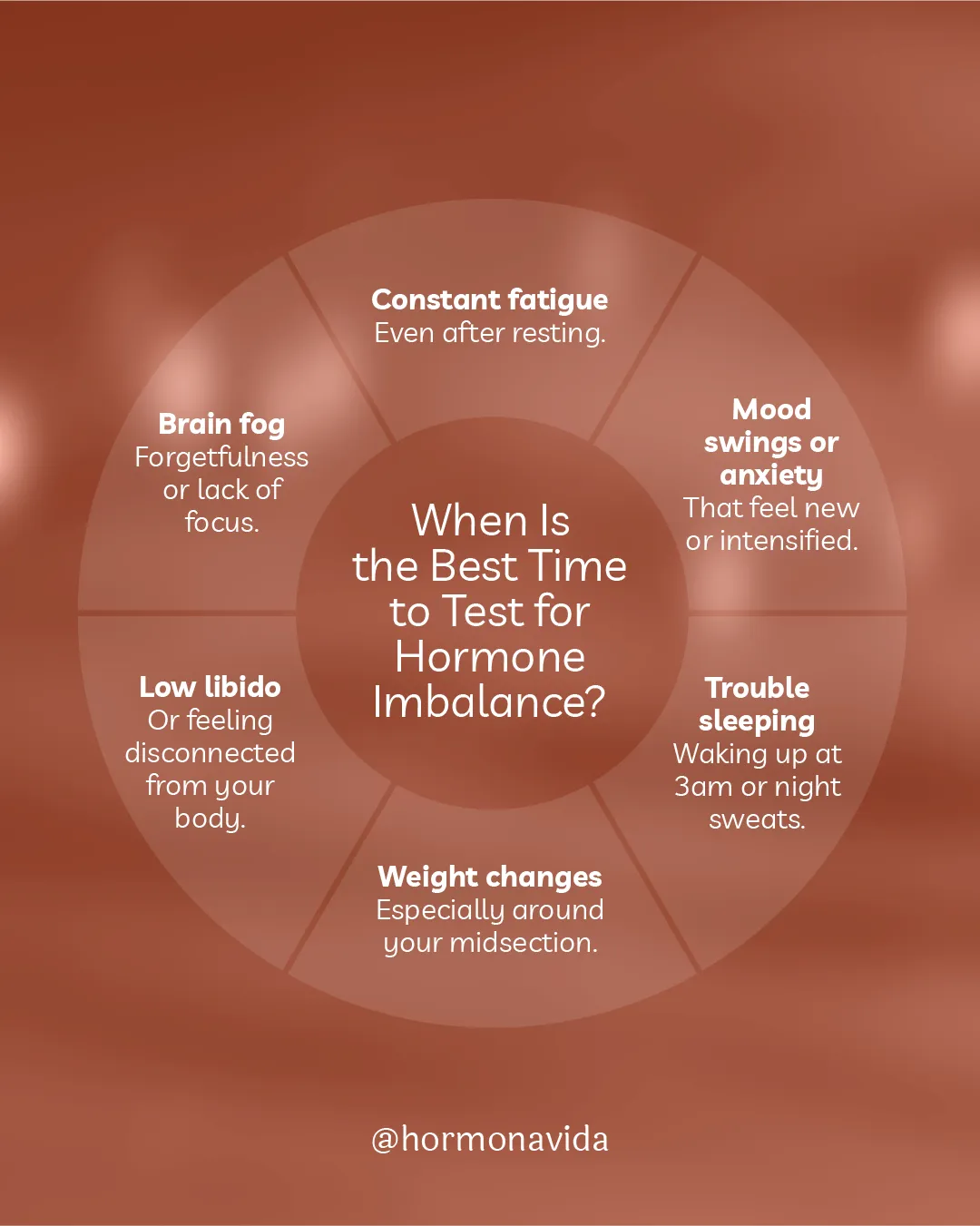
Before scheduling a visit, it is vital to recognize the symptoms of hormone imbalance. These signs are your body’s way of signaling that something is wrong. Many people experience unexplained weight gain even with a healthy diet. Others might struggle with persistent fatigue or sudden mood swings.
Common symptoms also include night sweats, brain fog, and low libido. Some individuals notice changes in skin texture or hair thinning. If these issues persist, it is likely time to test hormone levels. Identifying these patterns early helps you manage symptoms before they escalate into chronic conditions.
The Best Time to Test During the Menstrual Cycle
For cycling women, the “when” depends heavily on which hormones are being measured. Most providers recommend testing for hormone imbalances during specific phases of the cycle.
The Follicular Phase: Testing FSH and LH
The early follicular phase usually occurs on days three to five of your cycle. This is the ideal time to test for follicle stimulating hormone fsh and luteinizing hormone lh. These markers are essential for evaluating ovarian reserve and pituitary function. Testing at this point provides a baseline for your reproductive health.
The Luteal Phase: Testing Progesterone
If you check progesterone, the timing shifts significantly. This hormone peaks during the luteal phase, specifically around day twenty-one of a standard cycle. Testing too early in the month will show low progesterone, which might be a false negative. Proper timing ensures the lab captures the peak of hormone balance or deficiency.
Testing Testosterone and Adrenal Health
Men and women both require healthy testosterone levels for energy and muscle mass. For the most accurate results, these tests should happen in the morning. For most individuals, testosterone levels peak between 7:00 AM and 10:00 AM.
Waiting until the afternoon can result in a 20% to 30% drop in measured levels. This decline may result in a mistaken “low T” diagnosis. Likewise, cortisol, the body’s stress hormone, has a pronounced morning peak. Always aim for an early appointment for these specific blood test requirements.
Thyroid Health: TSH and Beyond
The thyroid is the master regulator of your metabolism. Doctors often start by measuring thyroid stimulating hormone tsh. Unlike sex hormones, TSH does not fluctuate wildly with the menstrual cycle. Nevertheless, it continues to adhere to a daily rhythm.
It’s generally advised to check TSH in the morning, preferably on an empty stomach. Certain supplements, like biotin, can interfere with these lab tests. Always inform your specialist about any vitamins you are taking. Accurate thyroid data is key to understanding issues like fatigue or unexpected weight changes.
Different Methods: Blood, Saliva, and Urine Tests
There are multiple methods you can use to track what’s going on inside your body. Each method offers a unique perspective on your hormone production.
- Blood Test: This is the gold standard for most clinical diagnoses. It measures the total amount of hormones circulating in your veins.
- Urine Tests: These are excellent for seeing how your body metabolizes hormones. They often track changes over a full 24-hour period.
- Saliva Tests: These measure “free” or bioavailable hormones. They are helpful for checking cortisol patterns throughout the day.
Your provider will choose the method that best fits your specific symptoms of hormone imbalance.
Preparing for Your Appointment
To get the best test results, you must prepare correctly. Most experts suggest fasting for at least eight to twelve hours before a blood draw. You should also avoid intense exercise the morning of the test.
If you are already on hormone replacement therapy, timing is even more crucial. You must coordinate with your doctor on when to take your last dose. Testing too soon after a dose will show a temporary spike. Testing too late might show a dip that does not represent your average levels.
Interpreting Your Lab Results
Once you have your results, look beyond just the “normal” range. A result can be within the lab’s range but not “optimal” for your age. We focus on helping you find a hormone balance that makes you feel vibrant.
Reviewing your testosterone levels or estrogen alongside your symptoms is essential. A holistic view considers how all these chemicals work together. One slightly off number might be fine, but several “borderline” numbers often indicate a problem.

Frequently Asked Questions
Can I test my hormones while on birth control?
Hormonal contraceptives suppress your natural hormone production. Testing while on the pill usually reflects the medication rather than your body’s baseline. You may need to wait until you are off birth control to get accurate results.
Does stress affect my hormone test results?
Yes, high stress can temporarily spike cortisol and suppress other sex hormones. Try to remain calm and well-rested before your appointment. If you are going through an acute crisis, consider rescheduling the test.
Is one test enough to diagnose an imbalance?
Hormones are dynamic and constantly changing. Sometimes, a single blood test provides only a snapshot in time. Your provider might suggest follow-up testing to confirm a trend before starting hormone replacement therapy.
Conclusion
Knowing when is the best time to test for hormone imbalance empowers you to take charge of your health. By aligning your lab tests with your natural rhythms, you ensure the data is reliable. Whether you are tracking your menstrual cycle or checking your testosterone levels, timing is everything.
At Hormona Vida, we believe that understanding your body is the first step toward wellness. Accurate testing allows you to manage symptoms and regain your vitality. Do not let “normal” results discourage you if you still feel unwell. Keep searching for the balance your body deserves.
Sources and References
- National Institutes of Health (NIH). (2022). Biotin: Fact Sheet for Health Professionals. Office of Dietary Supplements
- PCOS Awareness Association (PCOSAA). (2023). PCOS Diagnosis: Understanding Hormone Testing
- Bhasin, S., Brito, J. P., Cunningham, G. R., Hayes, F. J., Hodis, H. N., Matsumoto, A. M., … & Yialamas, M. A. (2018). Testosterone Therapy in Men With Hypogonadism: An Endocrine Society Clinical Practice Guideline. The Journal of Clinical Endocrinology & Metabolism, 103(5), 1715–1744.