Does Menopause Cause Weight Gain? The Truth Revealed
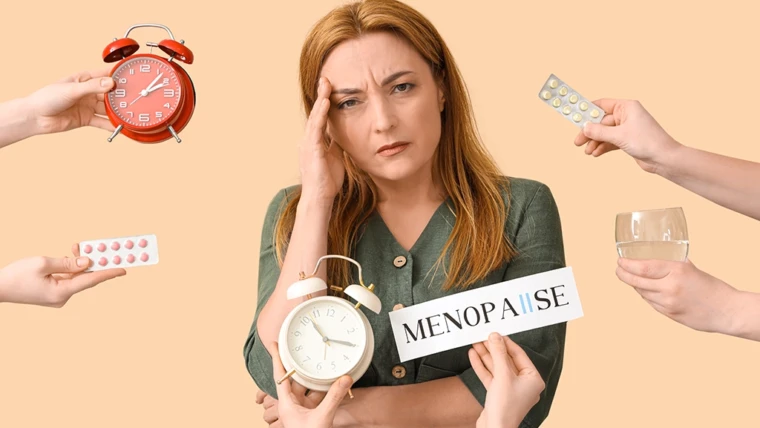
Menopause brings many changes to a woman’s life. You might notice your clothes fit differently. You may see the number on the scale go up.
It is a common question for many of us. Does menopause cause weight gain? The short answer is yes and no. It is a mix of aging and hormones.
Hormonal shifts play a big role here. But they are not the only factor. Lifestyle choices also impact your body weight.
Understanding this is the first step. You can take control of your health. Let’s explore why this happens to so many women.

Why Body Changes Happen
The transition into menopause is complex. Your ovaries produce less estrogen. This hormone regulates your menstrual cycle.
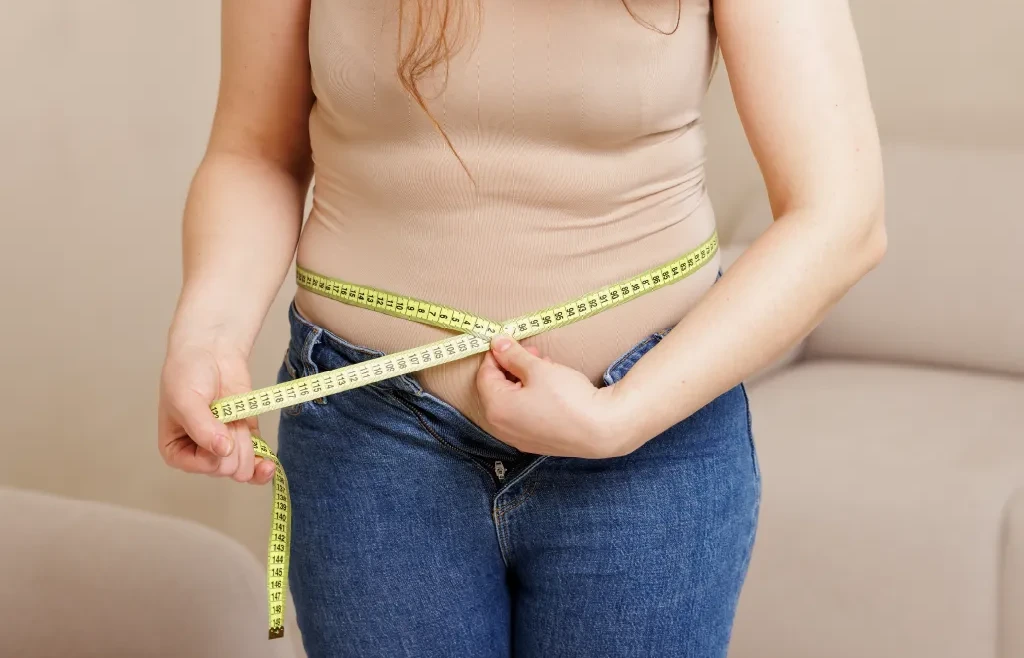
It also affects where your body stores fat. Before menopause, women store fat in their hips. After menopause, it often shifts to the belly.
This creates the “menopause belly” many dread. But hormones are just one piece of the puzzle. Aging slows down your metabolism.
You might burn fewer calories than before. This happens even if you eat the same foods.
The Impact of Losing Muscle Mass
We naturally lose muscle as we age. This process is called sarcopenia. Muscle burns more calories than fat does.
If you are losing muscle mass, your metabolism drops. This makes it harder to maintain a healthy weight.
Physical activity often decreases during this time too. You might feel too tired to exercise.
Joint pain can also limit movement. Less movement means fewer calories burned. This combination often leads to extra weight.
Sleep and Stress Factors
Menopause symptoms can disrupt your sleep. Hot flashes are a major culprit.
Poor sleep affects your hunger hormones. You might crave sugary or fatty foods. This makes it hard to eat a healthy diet.
Stress levels can also rise during midlife. High stress releases cortisol. This hormone encourages belly fat storage.
Managing stress is vital for your health. It helps you avoid unwanted weight gain.
Health Risks of Extra Weight
Gaining weight is not just about looks. It can lead to serious health issues. Excess belly fat is particularly risky.
It increases the chance of including heart disease. It also raises the risk of type 2 diabetes.
Carrying extra weight stresses your joints. It can make other menopause symptoms worse. Maintaining a healthy weight is crucial for longevity.
It protects your heart and your bones. Small changes can lower these risks significantly.
How to Manage Your Weight
You can manage these changes effectively. It requires a holistic approach. You do not need extreme diets. Focus on sustainable lifestyle choices. Small adjustments add up over time.
Prioritize Physical Activity
Movement is your best friend right now. You need to build muscle. Strength training is very effective. It helps combat the loss of muscle. It also boosts your resting metabolism.
Add aerobic exercise to your routine. This is great for your heart. Try brisk walking for thirty minutes. Swimming or cycling are also good options.
Aim for moderate activity most days. This helps you lose weight safely.
Improving Eating Habits
Your diet plays a massive role. Focus on nutrient-dense foods. Eat plenty of fruits and vegetables. Include whole grains and lean proteins.
These foods keep you full longer. They stabilize your blood sugar levels.
Limit processed foods and added sugars. These contribute to rapid weight gain. Watch your alcohol intake as well.
Alcohol contains empty calories. It can also trigger hot flashes. Making smart choices helps you stay balanced.
The Role of Hormone Therapy
Some women consider hormone therapy. It helps manage severe menopause symptoms. It may also help redistribute fat storage.
However, it is not a weight loss drug. It works best with a healthy lifestyle.
Talk to your doctor about this option. It is not suitable for everyone. Weigh the benefits and risks carefully.
Hormona Vida supports informed decisions. Do what feels right for your body.
Common Myths About Menopause Weight
Many believe weight gain is inevitable. This is simply not true. It is harder to avoid, yes. But it is not impossible. You have more control than you think.
Another myth is that you must starve. Drastic calorie cuts harm your metabolism. They can lead to muscle loss.
This makes weight management harder later. Focus on nourishment instead of deprivation.
Frequently Asked Questions
Does menopause cause weight gain directly?
Hormonal changes shift fat storage. However, aging and lifestyle factors are the main causes.
Can I lose weight during menopause?
Yes, you can absolutely lose weight. It requires consistent exercise and a balanced diet.
What is the best exercise for this stage?
Combine strength training with aerobic exercise. This builds muscle and burns calories efficiently.
Does hormone therapy make you gain weight?
There is no evidence it causes weight gain. It may actually help prevent belly fat accumulation.

Conclusion
So, does menopause cause weight gain? It creates a perfect storm for it. Hormones, aging, and lifestyle all interact. But you are not powerless. You can take charge of your journey.
Focus on building muscle and moving more. Eat a healthy diet rich in whole foods. Manage your stress and sleep. These steps reduce the risk of health issues. They help you feel your best.
Hormona Vida is here to support you. Listen to your body’s needs. Be patient with yourself. This is a new chapter of life. Embrace it with health and vitality.
References
- Davis, S. R., Castelo-Branco, C., Chedraui, P., Lumsden, M. A., Nappi, R. E., Shah, D., & Villaseca, P. (2012). Understanding weight gain at menopause. Climacteric, 15(5), 419-429.
- Greendale, G. A., Sternfeld, B., Huang, M., Han, W., Karvonen-Gutierrez, C., Ruppert, K., … & Karlamangla, A. S. (2019). Changes in body composition and weight during the menopause transition. JCI insight, 4(5).
- Kapoor, E., Collazo-Clavell, M. L., & Faubion, S. S. (2017). Weight gain in women at midlife: A concise review of the pathophysiology and strategies for management. Mayo Clinic Proceedings, 92(10), 1552-1558.
- Marlatt, K. L., Beyl, R. A., & Redman, L. M. (2018). A qualitative assessment of health behaviors and experiences during menopause: A cross-sectional observational study. Maturitas, 116, 36-42.
- Simkin-Silverman, L. R., & Wing, R. R. (2000). Weight gain during menopause: Is it inevitable or can it be prevented?. Postgraduate Medicine, 108(3), 47-56.